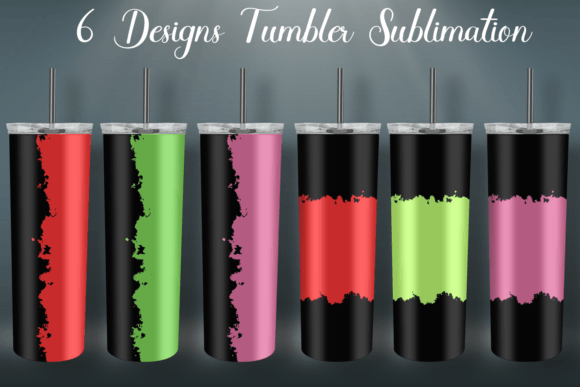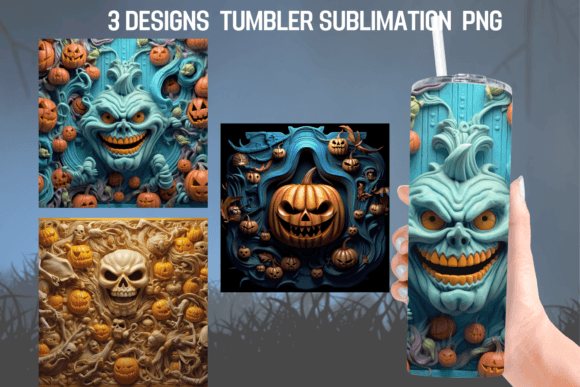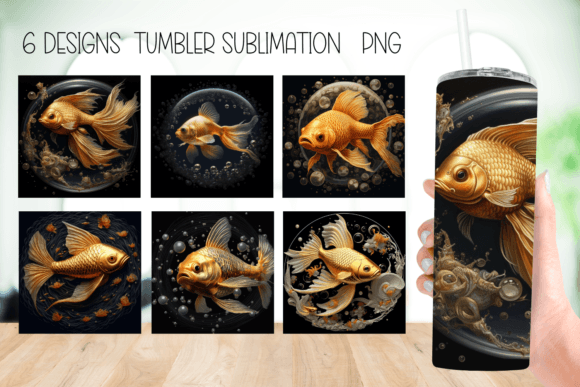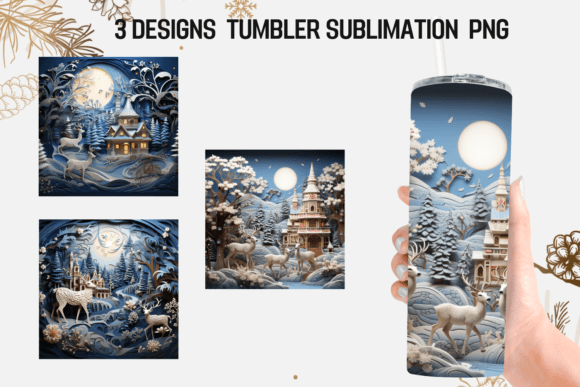
Tumbler Sublimation Design with Leaves
First Impressions: A Watercolor Whisper, Not a Bold Statement
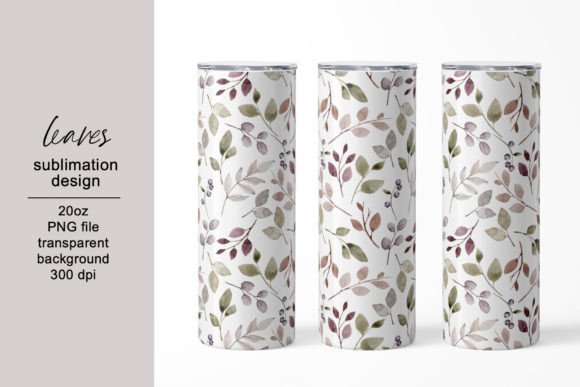
When I opened Tumbler Sublimation Design with Leaves, what struck me wasn’t loud contrast or sharp edges—it was softness. The watercolor clipart style gives it an organic, hand-painted breathability. It’s not a tight botanical illustration; it’s loose, airy, and intentionally imperfect—think dappled light through maple and eucalyptus leaves, gently overlapping in a 9.3 x 8.2 inch layout. That size tells me this isn’t meant for tiny cuffs or baby onesies. It’s built for presence: the front panel of a tote bag, the chest area of a relaxed-fit sweatshirt, or the center of a linen tea towel. As an embroidery designer, I immediately asked: *Does this translate to thread?* Not as-is—but with thoughtful adaptation, yes.
Where It Shines (and Where It Needs Editing)
I tested Tumbler Sublimation Design with Leaves as the centerpiece for a custom embroidered canvas tote—intended for a local boutique’s spring collection. On paper, it’s ideal: bright but not childish, nature-inspired but not cliché. In practice, the watercolor softness became both its strength and its limitation. When digitized for machine embroidery, the subtle gradients don’t stitch—they become zones of dense fill stitch or delicate satin stitch outlines. So I simplified: traced the strongest leaf silhouettes, removed the faintest washes, and added gentle stem lines to anchor the composition. The result? A refined, stitch-ready version that kept the original’s mood but gained clarity.
This design naturally fits custom apparel, tote bag design, sweatshirt embroidery, and kitchen towel projects—especially when you want warmth without fuss. It also works well for personalized gifts like nursery decor or wedding guest favors (think embroidered pillow covers with monogrammed initials beside the leaves). But it’s not plug-and-play for embroidered patch work unless resized and re-digitized: the current scale assumes sublimation on a smooth, rigid tumbler surface—not curved, stretchy, or textured fabric.
What to Watch For Before Stitching
- Hoop size matters: At 9.3 x 8.2 inches, this exceeds standard 5x7 hoops. You’ll need at least a 9x9 or larger hoop—or split the design into two sections for smaller machines.
- Fabric texture changes everything: On thick, napped fabrics like fleece or terry cloth, fine leaf details vanish. Stick to medium-weight cotton, linen, or stable knits for best definition.
- Dark fabric demands contrast: The “bright design” description refers to its digital appearance—not thread performance. On charcoal or navy, light green or cream thread may read as muddy. Test thread colors on scrap fabric first.
- Avoid dense layers: Don’t place this over seams, pockets, or zippers. The design’s natural flow gets interrupted—and stabilizer can’t fully compensate.
- Curved surfaces are tricky: While designed for tumblers (rigid, cylindrical), it won’t adapt cleanly to caps or curved apron pockets without significant repositioning and under-hooping.
How It Shapes Your Finished Product—and Your Customer’s Experience
Used thoughtfully, Tumbler Sublimation Design with Leaves elevates perceived value. Customers respond to its handmade authenticity—not because it looks machine-perfect, but because it feels intentional and calm. I’ve seen similar designs boost engagement for Etsy sellers offering personalized baby embroidery: parents love the gentle, non-gendered nature motif. For a small shop product, it adds quiet sophistication to a line of linen napkins or ceramic mugs paired with embroidered coasters.
But misused, it undermines professionalism. If stitched too densely on thin cotton, the fill stitch buckles the fabric. If placed haphazardly on a stretchy jersey tee, the leaves warp with wear. And if sold as-is—as a ready-to-embroider file without disclosure—it risks disappointing craft business buyers expecting commercial-grade digitization.
Practical Designer Notes You Can’t Skip
- Always test on scrap fabric—same weight, same color, same stabilizer as your final project.
- Review stitch density: High-density fills trap heat and cause puckering on lightweight materials.
- Confirm licensing: This is a digital embroidery file derived from a sublimation graphic. Check whether commercial use (e.g., selling finished embroidered totes) is permitted.
- Inspect small details: The original PNG has no stitch data—so fine veins or delicate tips must be manually reinforced or omitted during digitizing.
- Try black-and-white mockups: Helps assess silhouette strength before committing thread or time.
- Use proper stabilizer: Medium-weight cutaway for knits; tear-away for stable wovens. Skip fusible web—it distorts watercolor-style flow.
- Compare light/dark backgrounds: What reads as “bright” on screen may lack pop on deep-toned fabric.
Final Thought: A Starting Point, Not a Finish Line
Tumbler Sublimation Design with Leaves isn’t a turnkey machine embroidery design. It’s raw, evocative design assets—a mood board in PNG form. For experienced designers, it’s inspiration with direction. For creative entrepreneurs and handmade product makers, it’s a shortcut to a cohesive seasonal theme—if you’re willing to refine, resize, and reinterpret. It belongs in your Crafts toolkit not as a final answer, but as a thoughtful question: *How can softness, nature, and simplicity speak clearly through thread?*