Gnome Ghost Tumbler Sublimation Wrap
First Impressions: Playful, Not Precious
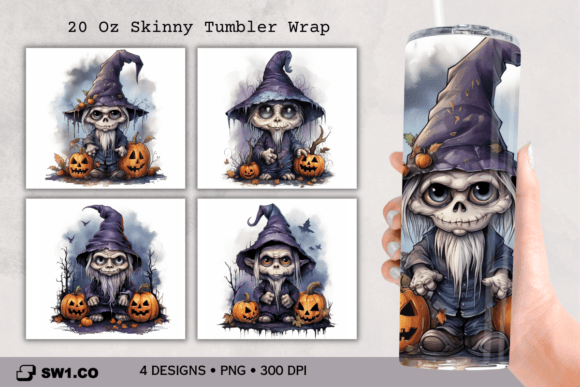
Opening the ZIP file for the Gnome Ghost Tumbler Sublimation Wrap, I wasn’t greeted with a complex vector suite or layered PSDs—just a clean, high-res PNG. As someone who regularly converts sublimation wraps into embroidery assets, my first thought was: “This isn’t meant to be stitched *as-is*—but it’s a fantastic visual blueprint.” The design features a whimsical gnome peeking out from a translucent ghost outline, centered on a vertical tumbler layout. It’s lighthearted, seasonal but not overly holiday-bound, and carries just enough detail—like the gnome’s pointy hat and stitched mouth—to read clearly at 3–4 inches tall. It doesn’t scream “embroidery-ready,” but it *does* whisper, “I’ll translate well onto a tote, tea towel, or baby onesie—if you reinterpret it thoughtfully.”
Where This Design Actually Shines in Real Projects
Last week, I mocked up a small-batch run of embroidered linen tea towels for a local boutique. Instead of using the Gnome Ghost Tumbler Sublimation Wrap directly, I traced its core silhouette and simplified key elements into a 3.2-inch satin-and-fill machine embroidery design. The result? A charming, slightly quirky motif that stood out among more literal Halloween patterns—without feeling dated or too niche. That’s where this asset earns its keep: as inspiration and structure, not a plug-and-play embroidery file.
It works especially well for:
- Personalized gifts: Embroidered onto cotton-blend baby blankets or organic cotton onesies, the gnome-ghost motif reads as sweet, not spooky—ideal for autumn baby showers or nursery decor.
- Tote bag design: Enlarged to 5 inches with balanced stitch density, it anchors a canvas tote without overwhelming the fabric’s texture.
- Small shop product: Paired with neutral thread (heather gray or oatmeal), it adds handmade charm to aprons or pillow covers sold at craft fairs or Etsy listings.
- Holiday embroidery: Not just for October—its soft palette and friendly shape make it adaptable for “spooky-but-sweet” Thanksgiving or even early December merchandise.
Where to Proceed With Care
The Gnome Ghost Tumbler Sublimation Wrap isn’t built for tight corners or tricky substrates—and pretending otherwise leads to muddy stitching. Here’s where I pause before digitizing:
- Small hoop sizes (under 4x4): The original wrap’s proportions assume a full tumbler height. Shrinking it to fit a 3x3 hoop sacrifices legibility—especially around the ghost’s wispy edges and the gnome’s facial details.
- Textured or stretchy fabric: On slubbed linen or lightweight knits, fine lines from the PNG won’t translate cleanly. You’ll need to rebuild outlines with heavier satin stitch or add underlay—don’t rely on the PNG’s thin vectors.
- Dark fabric backgrounds: The design’s light-on-light ghost effect gets lost on navy or charcoal. For those, invert contrast in your digitizing software and reinforce key shapes with darker thread or shadow fill stitch.
- Curved surfaces (caps, mugs, tumblers): Yes, it’s *called* a tumbler wrap—but sublimation and embroidery behave very differently on curves. Don’t attempt direct hooping on a cap unless you’ve reworked the layout for front-panel flow and reduced stitch density to prevent puckering.
What It Adds—and What It Doesn’t Replace
This isn’t a turnkey embroidery file. It won’t load into your Bernina or Brother machine without digitizing. But as a design asset, it delivers strong visual personality and clear compositional logic—something many generic clip art packs lack. When used intentionally, the Gnome Ghost Tumbler Sublimation Wrap elevates handmade presentation: customers notice the cohesion between theme, scale, and execution. It builds trust because it feels considered—not clip-art-casual.
That said, it won’t carry your brand alone. Pair it with consistent thread palettes, thoughtful placement (e.g., left-chest on sweatshirts, lower corner on tea towels), and smart stabilizer choices—or the charm gets lost in loose stitches or fabric distortion.
Practical Designer Notes Before You Stitch
If you’re pulling this into an embroidery project, here’s what I do every time:
- Test on scrap fabric first—especially if using textured weaves or blends. Watch how the ghost’s edge renders in satin stitch versus fill.
- Check thread color contrast against both light and dark mockups. A warm taupe thread reads softer than black on cream linen; it changes the whole mood.
- Review stitch density in areas like the gnome’s hat brim or ghost folds. Too dense = stiff fabric; too sparse = fragile detail.
- Confirm hoop size and fabric drape before finalizing placement—this design needs breathing room to land right.
- Inspect small details at 200% zoom: tiny eyes or stitching lines may vanish unless rebuilt with running stitch or micro-satin.
- Test in black-and-white mockups to verify value separation—essential for gift buyers scanning Etsy thumbnails.
- Use proper stabilizer: medium tear-away for stable wovens, cut-away for knits or lightweight cottons.
- Verify licensing before selling finished items or digital products. Since this is listed as a Graphics asset in the Crafts category, confirm whether commercial use (including resale of embroidered goods) is permitted.
Final Thought: A Spark, Not a Solution
The Gnome Ghost Tumbler Sublimation Wrap is a confident, cohesive idea—not a finished tool. It rewards designers who see past the PNG and into how that shape, rhythm, and expression can live in thread, on fabric, and in people’s hands. Use it to spark a custom embroidered patch series, to anchor a seasonal boutique collection, or to add quiet wit to a personalized gift. Just remember: great embroidery starts with great judgment—not just great files. And this one? It’s worth the extra 20 minutes of thoughtful reinterpretation.